



The Rise of AI Data Centres Could Boost Demand for Sustainable Wood Interiors


How Britain’s Next Infrastructure Boom May Influence Commercial Interior Design
Artificial intelligence is rapidly becoming one of the defining economic forces of the decade. As businesses, governments and consumers adopt AI-powered tools at scale, the physical infrastructure required to support this growth is expanding just as quickly.
Behind every AI model, cloud platform and intelligent automation system sits a vast network of data centres—specialised buildings that house servers, networking equipment and computing power.
Across the UK and internationally, investment in new data centres is accelerating. While much attention focuses on energy use, power supply and digital capacity, a quieter secondary opportunity may emerge in the built environment itself: increased demand for sustainable, high-quality commercial interiors.
That includes growing relevance for responsibly sourced wood flooring and natural interior products.
Why AI Is Driving a New Wave of Construction
AI systems require significant computing resources. Training models, processing data and running real-time applications all depend on server infrastructure operating around the clock.
As a result, investors and developers are increasing spending on:
- New hyperscale data centres
- Regional edge computing facilities
- Cloud infrastructure campuses
- Associated office and support buildings
- Logistics and utility upgrades
Recent business and construction research, including analysis highlighted by Business Gateway Scotland, points to AI-related growth as one factor supporting future construction demand.
This is important because major infrastructure booms rarely stop at core buildings—they often stimulate wider spending across fit-out, surrounding offices, accommodation, services and regional regeneration.
Data Centres Need More Than Server Rooms
Modern data centre developments are not simply warehouses full of computers.
Many large schemes now include:
- Reception and client areas
- Administrative offices
- Meeting rooms
- Staff wellbeing spaces
- Breakout areas
- Security and operations centres
- Training facilities
These human-facing environments increasingly matter in a competitive labour market where operators need to attract engineers, technicians and management talent.
As a result, design quality is becoming more important.
Why Natural Materials Are Gaining Ground
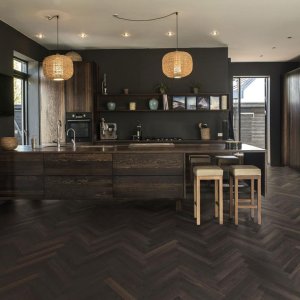
Commercial interior design has shifted noticeably in recent years. Businesses across multiple sectors are moving away from cold, purely functional spaces toward environments that feel healthier, calmer and more premium.
Natural materials such as timber, stone and textured finishes are often chosen because they can:
- Improve visual warmth
- Create a more welcoming atmosphere
- Support biophilic design principles
- Enhance brand perception
- Offer durability over long lifecycles
In office and support spaces connected to data centre developments, these considerations are likely to grow in importance.


The Sustainability Factor
Environmental performance is central to the future of data centres.
Operators face scrutiny over:
- Energy consumption
- Water use
- Carbon footprint
- Supply chain emissions
- ESG commitments
That focus can extend beyond server efficiency into construction materials and fit-out decisions.
Responsibly sourced wood products, low-emission finishes and long-life interior materials may therefore become more attractive options where appropriate.
This is especially relevant as developers seek to align buildings with wider sustainability frameworks and corporate reporting targets.
Why Wood Interiors Could Benefit
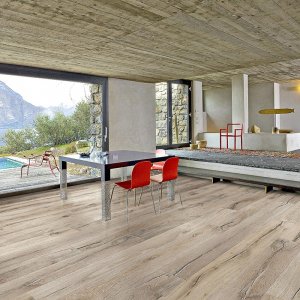
Timber-based interior finishes can offer a compelling combination of aesthetics and performance when specified correctly.
Potential advantages include:
- Renewable material source when responsibly managed
- Strong longevity in commercial settings
- Timeless design appeal
- Ability to refinish rather than replace in some cases
- Lower perceived harshness than synthetic finishes
For reception areas, executive offices, meeting rooms and collaborative spaces, engineered wood flooring can help soften highly technical environments.
A UK Opportunity
The UK remains an attractive market for digital infrastructure due to:
- Strong connectivity
- Demand for cloud services
- Large enterprise economy
- AI adoption across sectors
- Strategic location between markets
As more facilities are approved and developed, surrounding commercial ecosystems may also expand—from offices to supplier premises to innovation hubs.
That creates secondary demand across architecture, interiors, construction and specialist materials.
What This Means for Designers and Suppliers
Businesses involved in interiors should watch AI infrastructure growth closely.
Opportunities may emerge in:
- Commercial fit-outs
- Premium office environments
- Staff amenity spaces
- Sustainable specification consulting
- Durable flooring solutions
- Regional regeneration projects linked to tech investment
For specialist suppliers such as Marlo Boon, the long-term trend reinforces growing interest in premium wood surfaces for commercial and mixed-use spaces.
Collections from brands such as Kährs are often considered where design quality, durability and sustainability credentials are priorities.
A Broader Lesson: Digital Growth Creates Physical Demand
One of the most overlooked economic truths of the AI era is that digital growth still depends on real-world assets.
Every software boom creates demand for:
- Land
- Power
- Buildings
- Construction materials
- Interior environments
- Skilled labour
The rise of AI may feel intangible, but its economic footprint is highly physical.
AI data centres are primarily about technology, capacity and infrastructure. But they may also influence adjacent sectors in less obvious ways—including commercial interiors and sustainable materials.
As organisations compete for talent, pursue ESG goals and create better workplaces, natural finishes such as wood flooring could play an increasing role in the spaces built around Britain’s next wave of digital infrastructure.
Sometimes the most interesting opportunities created by technological revolutions are not inside the servers—but in the buildings around them.
About Marlo Boon
Marlo Boon specialises in premium wood flooring and design-led surfaces, with commentary on interiors, property and market trends.


